
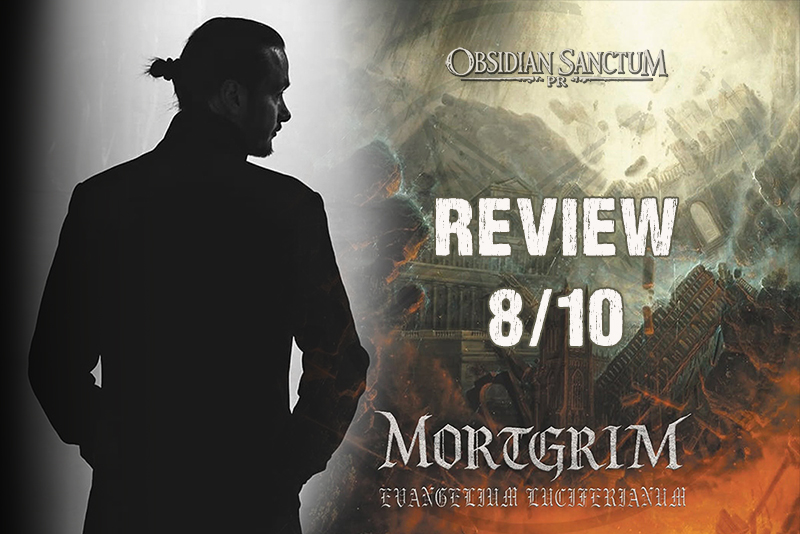
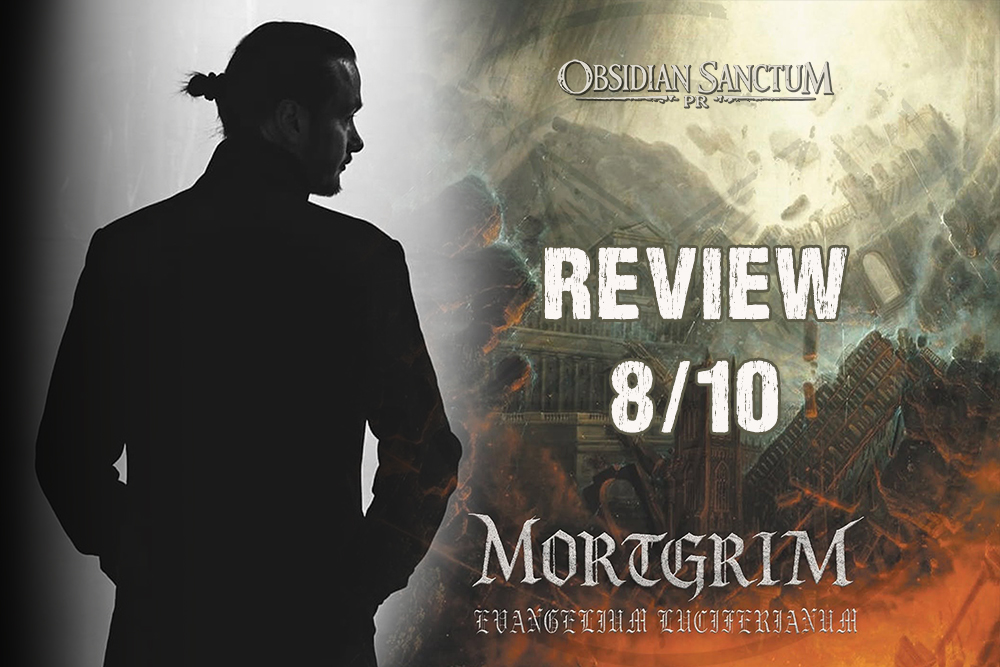
Mortgrim – Evangelium Luciferianum (2026) | Review 8/10
After reviewing Mortgrim’s previous work Blasphemy, where the Hungarian one‑man project already demonstrated a strong personal identity, a ritualistic atmosphere, and a deep understanding of classic black metal, it comes as no surprise that the new album is now released through a more prominent label such as Fetzner Death Records (october 31, 2026). Evangelium Luciferianum not only confirms that early promise, it expands it. This is a more ambitious, more conceptual, and more immersive work, one that fully embraces Mortgrim’s philosophical and spiritual vision.
The album’s title is an oxymoron: “Evangelium” and “Luciferianum” collide to form an alternative codex of forbidden wisdom. Here, classical occultism, Gnostic Luciferian thought, and destructive anti‑cosmic themes intertwine to deliver a deeper message. Rather than a mere collection of dark songs, the record unfolds as a theological and philosophical journey, from the glory of the Light‑Bringer, through rebellion, toward magical fulfillment and the collapse of religious dogma.
Musically, Mortgrim blends atmospheric black metal with doom‑laden elements, forging somber and immersive soundscapes. The production, handled entirely by Mortgrim, retains the rawness of the genre while adding a contemplative dimension that separates this work from the traditional second‑wave formula without betraying its roots.
The journey begins with “Majesty of the Morning Star”, a slow, extended introduction that feels like a threshold. Its patient build‑up creates tension and expectation until the vocals erupt with rage, echoing the ferocity of 90s black metal. It is a powerful opening that sets the spiritual and oppressive tone of the album.
The second track, “Helel”, introduces a complex riff and unfolds almost as an instrumental piece. The vocals appear only in the final section, precisely when the tempo accelerates, creating a striking contrast between introspection and aggression. It showcases Mortgrim’s ability to control pacing and narrative within a song.
With “Fornir Andar”, the album shifts dramatically. The track opens with an ultra‑fast riff and maintains that relentless speed throughout. Here Mortgrim proves he can handle high‑velocity black metal with confidence, delivering intensity without sacrificing clarity.
“Dead Tide” serves as a dark instrumental bridge, a moment of atmospheric descent that prepares the listener for “Eternal Rite”, one of the album’s standout compositions. Its brutal, expressive melody carries emotional weight and becomes one of the most memorable moments of the record.
In “Inverted Cross”, the guitars take on a thick, heavy tone, while the vocals merge seamlessly with the instrumental density. The central break in the track highlights Mortgrim’s compositional skill, revealing a precise handling of tension and atmosphere.
“Corpus et Chaos” brings back the speed, delivering a direct and aggressive assault. The central section, where Mortgrim recites “Corpus et Chaos,” adds a ritualistic dimension that reinforces the album’s spiritual core.
“Rotting Souls” opens with an endless, hypnotic melody, accompanied by the fastest drumming on the album. The combination creates a sense of perpetual motion, an infinite loop that pulls the listener deeper into the album’s darkness.
Finally, “Lament of Goetia” closes the record with the sound of rain and a melancholic piano, a beautiful and solemn ending that encapsulates Mortgrim’s artistic vision. It is a reflective, atmospheric conclusion that leaves a lasting impression.
Evangelium Luciferianum is an album that grows with repeated listens. After five or six full plays, new nuances emerge, subtle layers of composition, atmospheric details, and interpretative choices that invite the listener to return. Mortgrim consolidates here a personal, philosophical, and deeply atmospheric approach to black metal, expanding the genre’s boundaries while remaining faithful to its essence.
A solid, coherent, and spiritually charged album that confirms Mortgrim as one of the most compelling voices to emerge from the Hungarian underground in recent years.
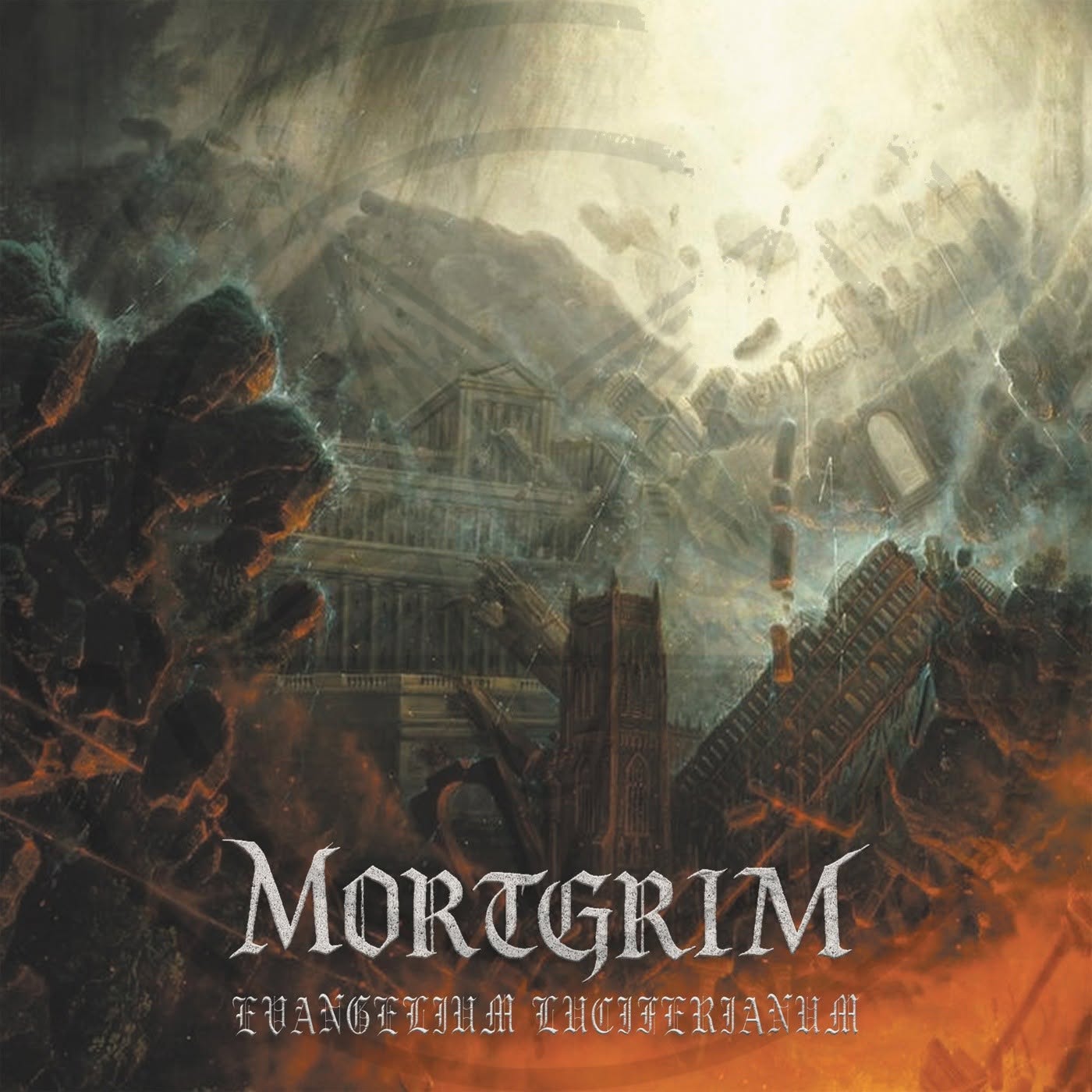
Tracklist:
1. Majesty of the Morning Star 4:04
2. Helel 3:58
3. Fornir Andar 3:06
4. Dead Tide 2:08
5. Eternal Rite 4:19
6. Inverted Cross 5:10
7. Corpus et Chaos 4:45
8. Rotting Souls 2:31
9. Lament of Goetia 4:23
Final Verdict: 8/10
Release date: October 31, 2026
CD Digipack, 4 panel + 12 pages booklet
Limited Edition Cassette, MC-Jcard2
FDR Shop:
CD: https://fetznerdeathrecords.de/Mortgrim-Evangelium-Luciferianum
MC: https://fetznerdeathrecords.de/Mortgrim-Evangelium-Luciferianum-MC
FDR Bandcamp:
https://fetznerdeathrecords.bandcamp.com/album/mortgrim-evangelium-luciferianum-4
🇪🇸 Mortgrim – Evangelium Luciferianum (2026) | Reseña 8/10
Tras haber reseñado su anterior trabajo Blasphemy, donde Mortgrim ya demostraba una identidad propia, una atmósfera ritual poderosa y una comprensión profunda del black metal clásico, no sorprende que su nuevo álbum llegue ahora bajo un sello de mayor peso como Fetzner Death Records. Evangelium Luciferianum confirma esa evolución: es un trabajo más ambicioso, más conceptual y más inmersivo, donde la visión espiritual y filosófica del proyecto se expande con claridad.
El título del álbum funciona como un oxímoron: une lo sagrado y lo luciferino para presentar un códice alternativo de sabiduría prohibida, donde el ocultismo clásico, el pensamiento luciferino gnóstico y la destrucción de los dogmas religiosos se entrelazan en un discurso teológico y filosófico. Mortgrim no compone simplemente canciones oscuras; construye una obra que reflexiona sobre la caída de la soberbia humana y la rebelión espiritual.
Musicalmente, el álbum se mueve entre el black metal atmosférico y elementos doom‑laden, creando paisajes sombríos y personales. La producción, completamente realizada por Mortgrim, mantiene la crudeza del género pero añade una dimensión introspectiva que lo separa de la segunda ola tradicional sin perder su esencia.
El viaje comienza con “Majesty of the Morning Star”, una introducción lenta y extensa que funciona como un umbral. La atmósfera se despliega con paciencia, generando expectación hasta que la voz irrumpe con rabia, evocando la crudeza vocal del black metal de los 90. Es un inicio que establece el tono espiritual y oscuro del álbum.
El segundo corte, “Helel”, presenta un riff complejo y una estructura casi instrumental. La voz aparece únicamente en la parte final, justo cuando el tema acelera, creando un contraste muy efectivo entre contemplación y furia. Es una demostración de cómo Mortgrim controla el tempo y la narrativa interna de sus composiciones.
Con “Fornir Andar”, el álbum cambia de registro: el tema abre con un riff ultrarrápido y mantiene esa velocidad durante toda su duración. Aquí Mortgrim demuestra que también domina las partes más agresivas del género, sin perder claridad ni intención.
“Dead Tide” actúa como un puente oscuro e instrumental, preparando el terreno para “Eternal Rite”, uno de los momentos más brillantes del disco. Su melodía brutal y expresiva transmite una fuerza emocional que destaca dentro del conjunto, convirtiéndolo en uno de los cortes más memorables.
En “Inverted Cross”, las guitarras adquieren un tono grueso y denso, mientras la voz se integra de forma perfecta en esa textura. El corte central del tema revela la calidad compositiva de Mortgrim, con un manejo preciso de la tensión y la atmósfera.
“Corpus et Chaos” devuelve el álbum a la velocidad, con un enfoque directo y agresivo. La parte central, donde Mortgrim recita “Corpus et Chaos”, aporta un matiz ritual que refuerza la dimensión espiritual del disco.
“Rotting Souls” abre con una melodía infinita, hipnótica, que junto a la batería —la más rápida del álbum— genera un bucle eterno, una sensación de movimiento continuo que envuelve al oyente.
Finalmente, “Lament of Goetia” cierra el álbum con un sonido de lluvia y un piano melancólico, un broche de oro que encapsula la esencia del proyecto: oscuridad, introspección y espiritualidad. Es un final que amplía la atmósfera del disco y deja una impresión duradera.
Evangelium Luciferianum es un trabajo que crece con las escuchas. Tras cinco o seis reproducciones, el álbum revela nuevos matices, nuevas capas de composición y detalles que invitan a volver a él. Mortgrim consolida aquí su visión artística: un black metal personal, filosófico y profundamente atmosférico, que expande los límites del género sin traicionar su raíz.
Un álbum sólido, coherente y espiritual, que confirma que Mortgrim es una de las voces más interesantes surgidas del underground húngaro en los últimos años.
Veredicto final: 8/10
Latest reviews
Latest

Obsidian Sanctum PR is a promotional agency dedicated
to extreme Metal in all its forms.
We publish news, reviews, and interviews, and offer
three specialized promotional packages:
Ashes, Obsidian, and Sanctum —
tailored to elevate your band’s visibility across media and audiences.