Pure Wrath – Interview with Ryo (english) may 2026
Share it
We spoke with Ryo of Pure Wrath to explore the album’s core concept: the weight of urban alienation, the constant pressure of modern noise, and the mental erosion caused by living in oversaturated environments — a vision fully realized on Bleak Days Ahead, recently released through Debemur Morti Productions.
Share it
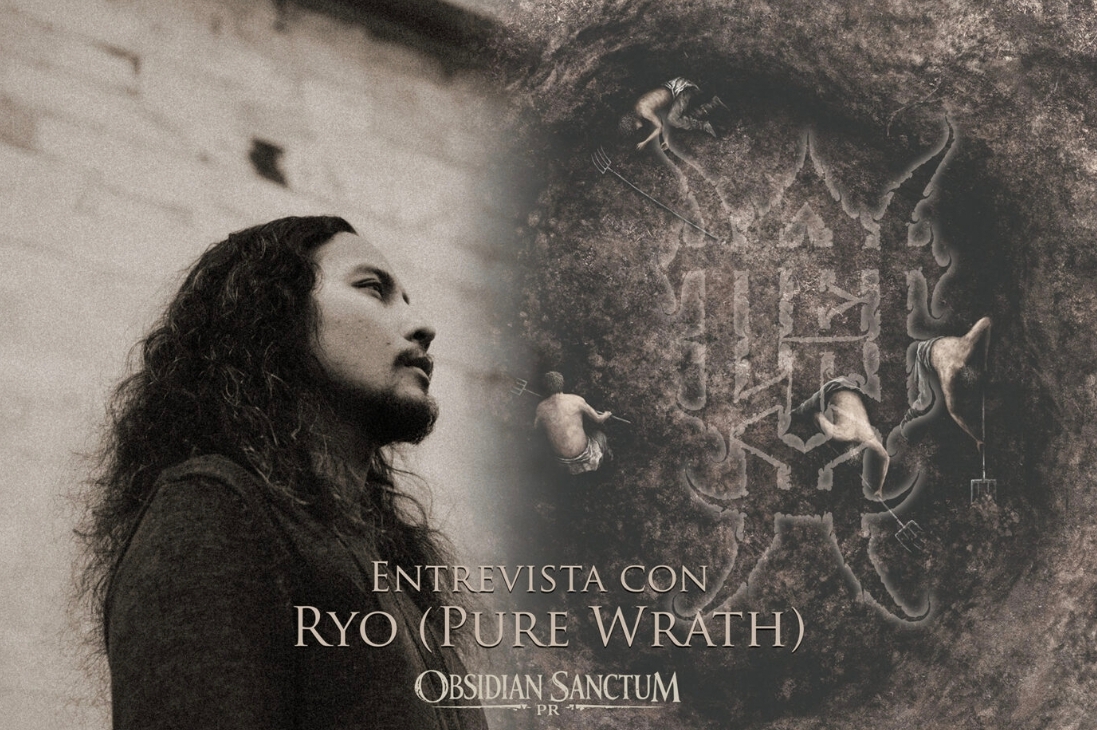
INTERVIEW WITH RYO (PURE WRATH)
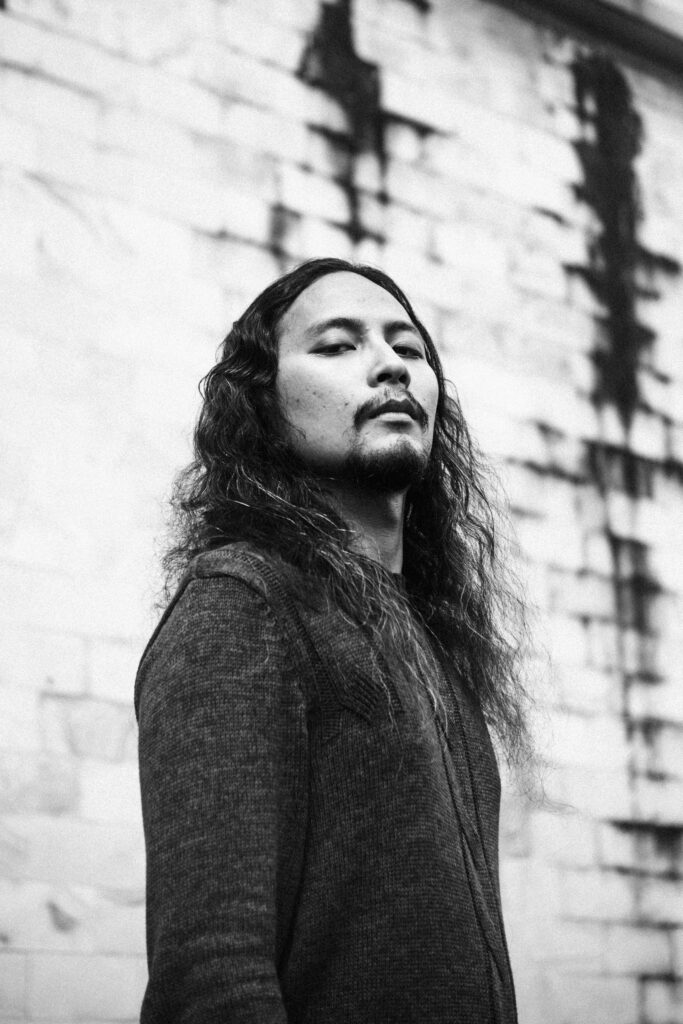
Since 2014, Januaryo “Ryo” Hardy has shaped Pure Wrath, an Indonesian atmospheric black metal project that has evolved from intimate anguish into one of the most emotionally resonant voices in the genre. His music blends rawness, melancholy and a deeply human sensitivity, always rooted in inner landscapes colliding with modern reality. With “Bleak Days Ahead”, released through Debemur Morti Productions, Ryo opens a new chapter where vulnerability, emotional tension and internal confrontation feel more present than ever.
1.- “Bleak Days Ahead” is a deeply emotional album exploring the despair of living in industrialized environments and uncertain conditions. ¿At what point did this concept begin to take shape, and what personal experiences led you to build this new chapter of Pure Wrath?
Bleak Days Ahead did not start as a concept. It slowly formed while I was living my daily life. Being surrounded by industrial landscapes, constant noise, economic uncertainty, and the feeling that the future is always unstable, it began to affect me more deeply than I realized. At some point I noticed that everything I was writing carried the same emotional weight. It was not only sadness but a kind of quiet despair that grows over time. The album became a reflection of that state. It represents a period where I felt mentally tired and emotionally overwhelmed, yet still trying to function and move forward.
2.- This new work features collaborations with Yurii Ciel, Dany Tee, Tandani Mutaqim, Andrew Rodin and P.F. How was the experience of working with them, and what did each of them bring to the final sound of the album?
Working with the other musicians felt very natural. I did not choose them randomly. Each person was someone I respect both musically and personally. Yurii brought emotional sensitivity and a certain fragility that I could not express alone. Dany added atmosphere and a different sense of wrath. Tandani contributed depth and spirituality. Andrew and P.F. helped expand the sound without taking away from the identity of Pure Wrath. I am grateful because everyone approached the project with care. They understood the emotional direction and respected it.
3.- I read somewhere online that you mentioned the songwriting process for this album was particularly difficult for you, marked by emotional exhaustion and moments of lost inspiration. You also said that your conversations with Yurii Ciel were essential in shaping the record. How did you experience that whole process, and what did it leave you with on a personal and creative level?
This album was difficult to write because I was mentally exhausted. There were moments when I felt empty and questioned whether I still had something meaningful to say. Sometimes the hardest part of creating is not technical, but internal. My conversations with Yurii were important because we spoke honestly about doubt, burnout, and fear of repeating ourselves. Those discussions reminded me that it is normal to struggle creatively. They helped me accept that not every phase needs to feel inspired. Sometimes you create simply because you need to survive your own thoughts. On a personal level, the process taught me patience. It also made me more aware of my limitations.
4.- In “Bleak Days Ahead” you incorporate elements not often found in atmospheric black metal, such as organ, mellotron and even saxophone, creating a wider and more expressive soundscape. How do you decide when a texture or instrument fits within the Pure Wrath universe without breaking its identity?
When I add instruments like organ, mellotron, or saxophone, it is always based on emotion rather than genre rules. I ask myself whether the sound supports the atmosphere and feeling I want to convey. Pure Wrath is not defined only by black metal elements. It is defined by emotional sincerity and honesty. If a certain texture deepens the sense of solitude or inner tension, then it belongs there. I am not interested in preserving identity, and also not interested in limiting expression.
5.- You produced, recorded, mixed and mastered the album yourself, which is something I find especially interesting. One of my bands is also a personal project that I record at home, so I’m genuinely curious about the methods you use. What is your workflow like in the studio? Do you build the songs layer by layer, or do you prefer capturing more spontaneous and raw ideas?
My workflow usually begins with a simple idea, often a guitar melody or a certain mood. I build the songs slowly, layer by layer. I allow them to breathe and sometimes I leave them untouched for weeks before returning with fresh ears. Because I handle everything myself, I have the freedom to experiment and to remove parts that feel unnecessary. Mixing and mastering are part of the creative process for me. They are not just technical stages, but ways to shape texture and space. Working alone can be challenging because there is no immediate feedback. At the same time, it allows me to be completely honest without compromise. I just love solitude so much.
6.- The artwork for “Bleak Days Ahead” is once again created by Aghy Purakusuma, with whom you previously worked on The Forlorn Soldier. His visual style has a very distinctive sensitivity and seems to fit naturally with Pure Wrath’s identity. How did you first get in touch with him, and what made you trust him again for this new chapter? I’ve also recently collaborated with him on a project that I’ll reveal in a few weeks if everything goes well, so I’m especially curious about how your creative connection has evolved over time.
Artworks he did for Pure Wrath always carry an emotional intensity. There is sensitivity in his visual language that resonates with Pure Wrath. We’ve been working together since Ascetic Eventide. There is always trust between us. For this album, I felt comfortable giving him freedom because he understands the emotional core of the project. I did not need to explain everything too much. He can translate feeling into imagery in a very natural way. It is rare to find someone who truly understands your artistic vision, so I value that connection deeply.
7.- Pure Wrath began in 2014 as a project rooted in anguish, atmosphere and emotional weight. Looking back, how do you feel your musical identity has evolved from “Hymn to the Woeful Hearts” to this new work?
When I look back at Hymn to the Woeful Hearts, I hear an unstopable version of myself. The emotions were more direct and perhaps more impulsive. With Bleak Days Ahead, the expression feels more anxious, deeper in a different way. It reflects a more mature understanding of despair. It is less about reacting and more about observing and accepting the weight of reality. The surface may evolved, but the core feeling remains honest. Perhaps, even more honest.
8.- The video for “Spectral Insomnia” has an unsettling, almost hypnotic aesthetic, with imagery that feels like a constant inner struggle. What were you aiming to convey with this visual piece, and how was the creative process with Kareem Nararya and Dimas Tirta Arwana in shaping that sense of unrest and sleepless tension?
I wanted to capture the feeling of being trapped inside your own mind. Insomnia is not just about not sleeping. It is about thoughts that refuse to stop. Working with Kareem and Dimas was a collaborative process. We focused on subtle tension rather than dramatic or vivid storytelling. The goal was to create something unsettling but intimate. I wanted viewers to feel discomfort in a quiet way, as if they were experiencing the restlessness themselves.
9.- After such an emotionally heavy album like “Bleak Days Ahead”, I imagine there’s also an internal process of reconstruction. Beyond new releases or future projects, what do you feel you need now as a creator to keep moving forward without losing the honesty that defines Pure Wrath?
I feel the need for space and reflection. Creating something emotionally heavy requires energy, and I need time to rebuild internally. To continue honestly, I need to live without constantly analyzing my emotions for artistic purposes. I need to experience life first, then allow the music to emerge naturally. If Pure Wrath continues, it must come from a place of necessity, not a capitalistic pressure.
Ryo, thank you for your time and for the honesty in every answer. I wish you the best of luck with “Bleak Days Ahead” and with all future endeavors that await you on your creative path.
Obsidian Sanctum PR is a promotional agency dedicated to extreme Metal in all its forms. We publish news, reviews, and interviews, and offer three specialized promotional packages: Ashes, Obsidian, and Sanctum — tailored to elevate your band’s visibility across media and audiences.